The biggest improvements don’t come from doing more—they come from strengthening what’s holding you back. Once your biggest weakness becomes a strength, everything else starts to feel easier.
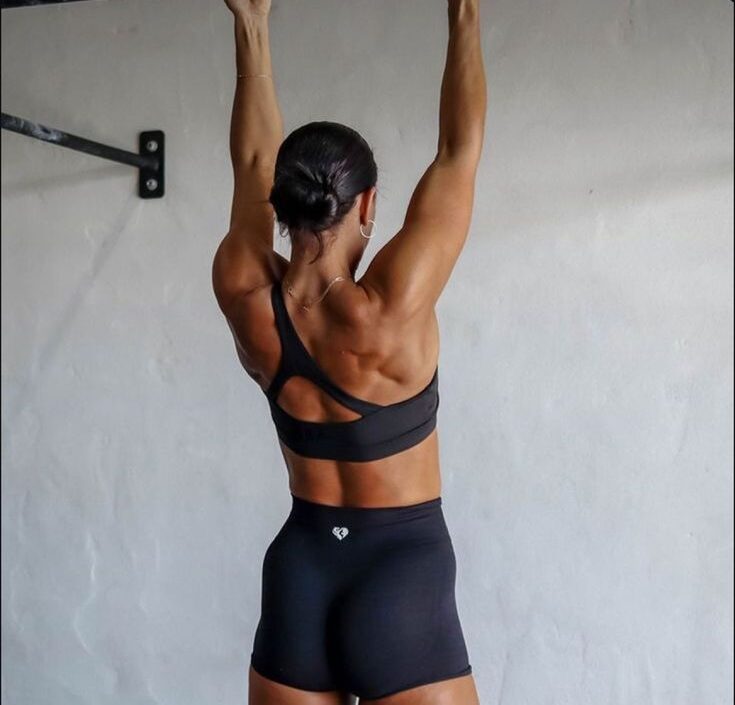
If you’ve ever felt like you can hold yourself at the top of a chin-up, lower yourself with control, or get halfway up—but just can’t break out of that dead hang—you’re not alone.
For many women, the hardest part of a chin-up is generating enough force to initiate the movement. That’s why simply doing more chin ups or adding extra back exercises doesn’t always lead to better results.
Instead of guessing what’s holding you back, you can measure it.
There’s a simple strength benchmark that helps identify whether a hidden weakness is limiting your chin-up performance. Once you know where the bottleneck is, you can train with purpose instead of hoping more repetitions will eventually work.
Strengthening the right muscles can make that first pull feel more powerful, improve the quality of every repetition, and help you progress with greater confidence.
If your chin-up progress has stalled, it may not be because you need to work harder—it may simply be time to train smarter.